Case study · Inside Unkillable · Content
Automatic video editing saves hours and budget, and gets each episode from recording to publishing much faster.
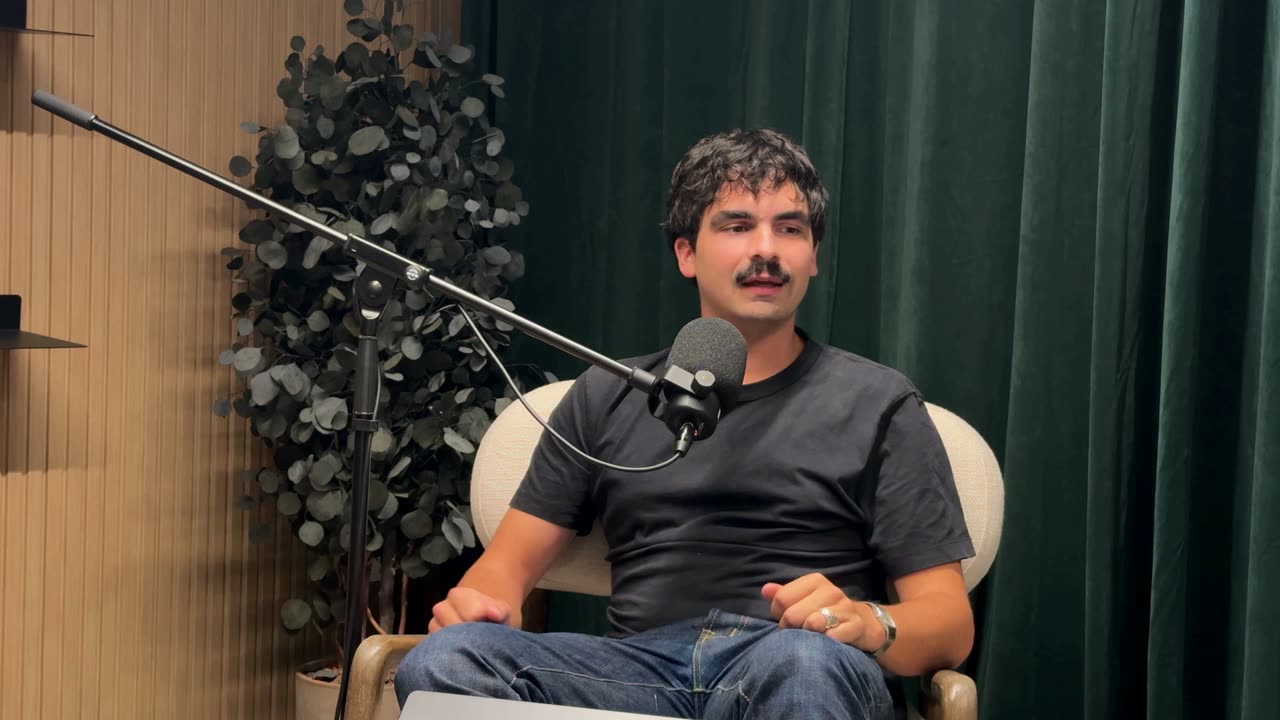
Our podcast is filmed with three cameras and separate microphones, often with a live demo on screen. Instead of hiring an editor, we built an editing pipeline that we brief in plain language. It syncs, cuts, switches cameras, blurs what must stay private and burns in the subtitles.
- Company
- Unkillable Companies
- Function
- Content
- Format
- Multi-camera video podcast, English and French
- Running since
- October 2026
Figures from our second and third episodes, October 2026.
Studio quality, without a studio team.
A good interview podcast is mostly editing. Three cameras and two lav mics drift apart within minutes. Every hesitation, false start and long silence has to go. The guest shows their screen, and some of it is confidential. Then it needs subtitles, an intro, and a short version for social media.
For a team of three founders, that meant days of work per episode, or an editor on retainer. Neither would scale to the number of episodes we wanted to publish.
An editor you brief in plain language.
The pipeline is a Claude Code skill and a set of local tools. We give it the folder of rushes and say what we want: the long version, a short one, the French cut. The system does the mechanical work and stops wherever a human eye matters.
The intro is generated in code too: the same motion design every time, only the end screen changes with the guest, their company and the topics.
Sync
Cameras and microphones are aligned on the audio, down to the sample, with drift corrected over the whole recording.
Select
Everything is transcribed. A selection page lets us tick the passages to keep, in minutes instead of hours.
Cut
Each cut lands in a silence on the waveform, then is listened to again. The guest close-up only appears while the guest speaks.
Finish
The screen recording is inserted with client data blurred, colours are matched between cameras, subtitles are burned in and the intro is added.
Before and after.
Before How it worked
- Days of manual editing per episode, or an editor on retainer
- Cameras and mics lined up by hand, by ear
- Confidential screens either cut out or blurred frame by frame
- One version per recording, no short cut for social media
After How it works now
- One brief in plain language, the pipeline does the rest
- Sample-accurate sync, drift corrected automatically
- The guest's screen inserted, private data blurred in the edit
- Long, short and French versions from the same recording
Editing stopped being a skill we lacked. It became a brief we write.
The business impact.
- 15 minto render a 49-minute episode, about a third of its running time
- 3finished versions from one recording: 46 minutes, 8 minutes, and a 7-minute French cut
- 14.6 sbranded intro generated in code for each guest, in about four minutes
- 0editors hired
Figures come from our second and third episodes. The final sound mix is still done by hand.
More case studies.
See all 19Animated explainer videos now cost $1.50 each, and five can be made in a single day.
Inside Unkillable · ContentOur content ideas now come from real client conversations: 177 captured, no more blank page.
Inside Unkillable · ContentThumbnails and illustrations in our own style now cost a few cents each, with no designer.
You can keep adding tools.
Or rebuild how your company works.
Not ready yet? Join the free live on how to create your company brain, every Thursday at 12pm, Paris time.
Sign up for the live